2026-10-26 ·
What to Do in a Plumbing Emergency in Georgia Before Help Arrives
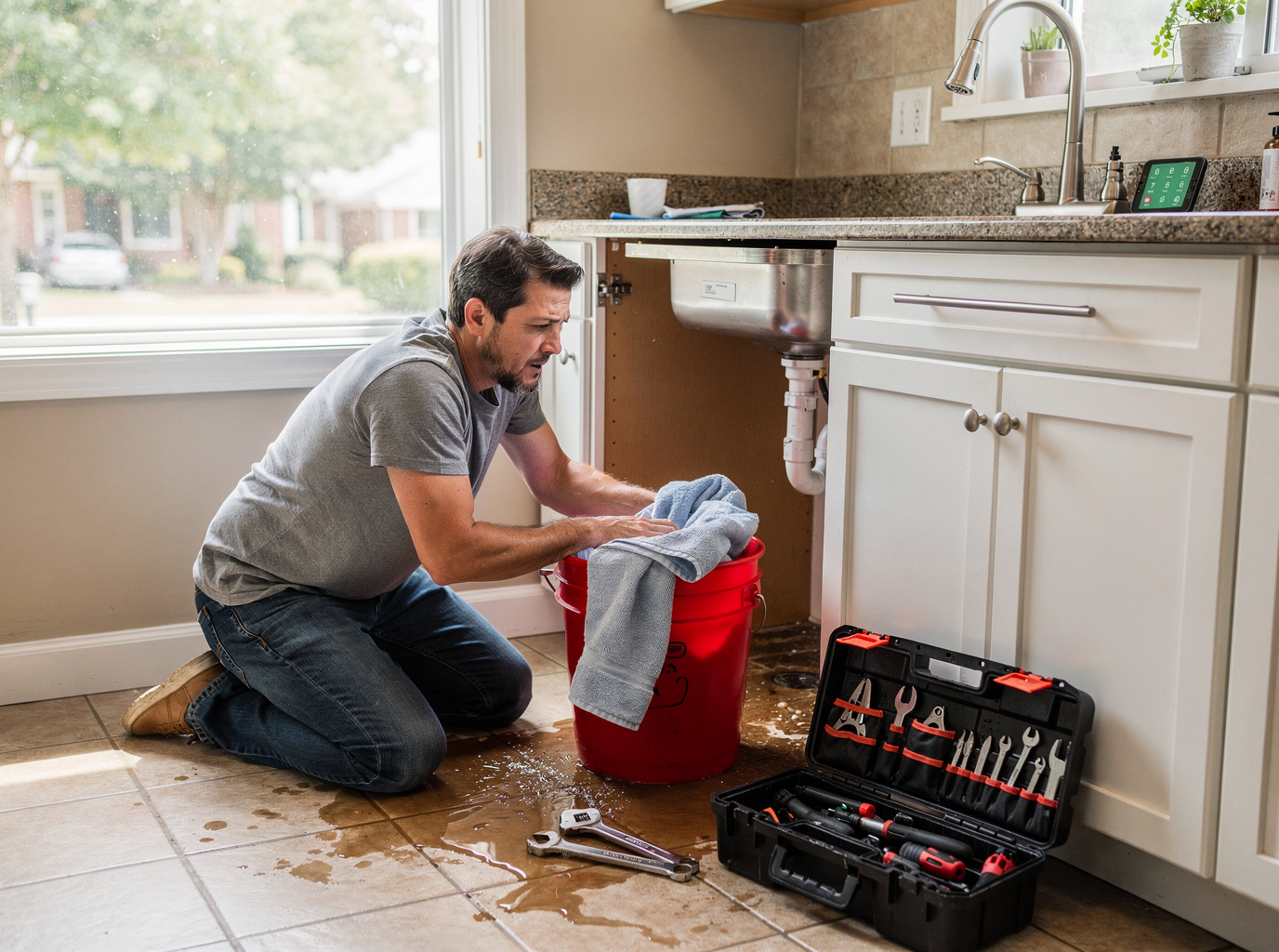
In a plumbing emergency in Georgia the first action is to locate and close the main water shutoff valve to stop the flow. This step limits water loss and reduces the chance of extensive floor or wall damage in homes across Fulton County where older pipes in areas such as Inman Park or Grant Park can fail without warning. After the valve is closed, open nearby faucets to drain remaining pressure from the lines. Homeowners in Midtown or Virginia-Highland often find the main valve near the water meter outside or under the kitchen sink in smaller properties. Next, move furniture and belongings away from the affected area and place towels or buckets to catch any residual drips. These measures keep the situation contained until the plumber responds.
Locate and Close the Main Shutoff Valve
Find the main shutoff valve before an emergency occurs so you can act without delay when pipes burst. In humid subtropical Georgia the combination of hot summers and occasional freezing nights in mild winters stresses older galvanized lines common in East Atlanta and Old Fourth Ward homes. Turn the valve clockwise until it stops, then test nearby fixtures to confirm water has ceased. If the valve is stuck or hard to reach, avoid forcing it and instead focus on containing visible leaks with available towels. Document the valve location with a quick photo on your phone for future reference. This preparation proves useful during sudden issues near landmarks such as Piedmont Park where quick access matters. Once water stops, assess whether the problem stems from a fixture, drain line, or supply pipe to guide the next steps while waiting for arrival.
Protect Belongings and Contain Water
Move rugs, electronics, and furniture away from the leak site to prevent secondary damage that can raise repair costs. In neighborhoods like Buckhead or West End, finished basements and hardwood floors absorb moisture quickly in the region's humid conditions, leading to warped boards or mold within hours. Place buckets under active drips and use plastic sheeting to shield nearby walls. Open windows if outdoor temperatures allow to promote airflow without spreading humidity further indoors. Avoid using electrical appliances in the wet zone until power to that area is isolated at the breaker. These actions reduce the scope of cleanup needed once plumbing repair begins. Keep children and pets away from standing water to avoid slips or contamination risks from sewage backups common in older Fulton County properties.
Assess the Source and Note Details
Determine whether the issue involves a supply line, drain, water heater, or sewer connection by observing the water color, smell, and flow rate. Clear water from a supply pipe differs from discolored or slow-draining sewage that may point to a deeper line problem. Note the time the issue started and any recent work done on the home, such as renovations near the Atlanta BeltLine that sometimes disturb underground lines. Take photos of the leak location and affected materials for the arriving technician. In Sandy Springs or Decatur homes built decades ago, slab leaks can develop under concrete foundations and require specialized detection rather than simple fixture fixes. This information helps the plumber prepare the right tools. Avoid attempting temporary fixes with tape or clamps that may worsen pressure issues later.
Call for Professional Help and Monitor
Call a plumber once the immediate water source is controlled so they can evaluate the full scope. Companies open 24 hours, 7 days handle after-hours calls for burst pipes or overflowing fixtures in Grant Park and Centennial Olympic Park areas. Provide the details you gathered during assessment to speed diagnosis. While waiting, continue to monitor for changes such as spreading dampness or new leaks in adjacent rooms. If the problem involves a water heater or suspected slab issue, mention those observations. For recurring drain problems consider scheduling a follow-up sewer camera inspection after the emergency passes. Stay available by phone in case the technician needs additional access instructions upon arrival.
Prevent Future Issues in Georgia Homes
Review pipe age and material after the emergency to decide on targeted upgrades such as repiping sections prone to corrosion. Homes in areas like Virginia-Highland often benefit from early checks on supply lines before hot summer demand increases. Watch for slow drains or fluctuating pressure that signal developing problems and address them through emergency plumber visits rather than waiting for full failure. Compare notes with neighbors who have faced similar issues near the Georgia Aquarium or Mercedes-Benz Stadium to identify shared infrastructure patterns. Regular visual checks under sinks and around water heaters catch small leaks before they become emergencies. These habits lower the likelihood of repeat calls in the humid climate that accelerates wear on older fittings.